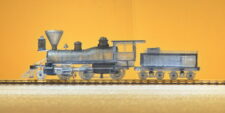
2-6-0 HOn3 Locomotive Instructions
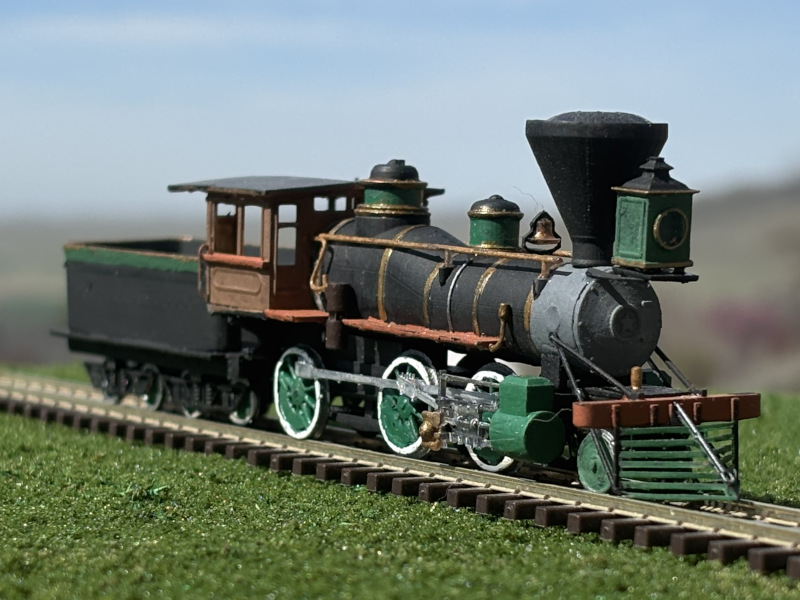
Static HOn3 2-6-0 “Mogul” Locomotive
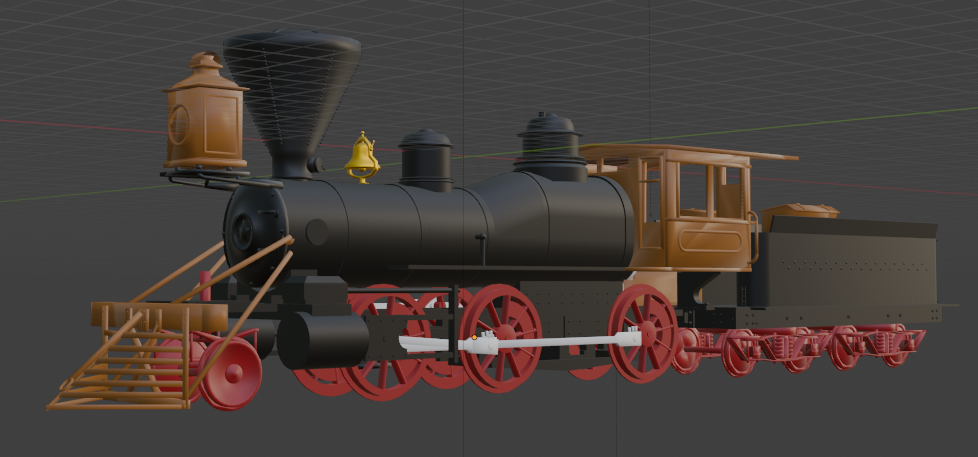
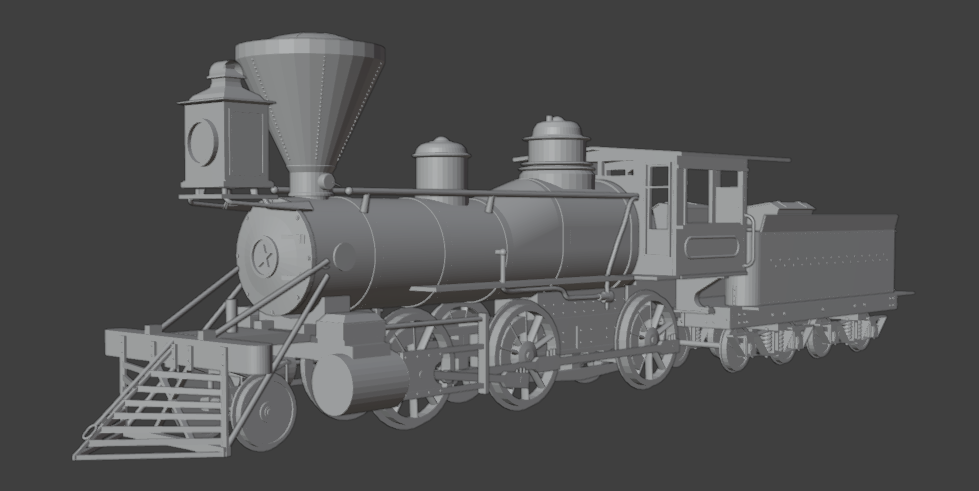
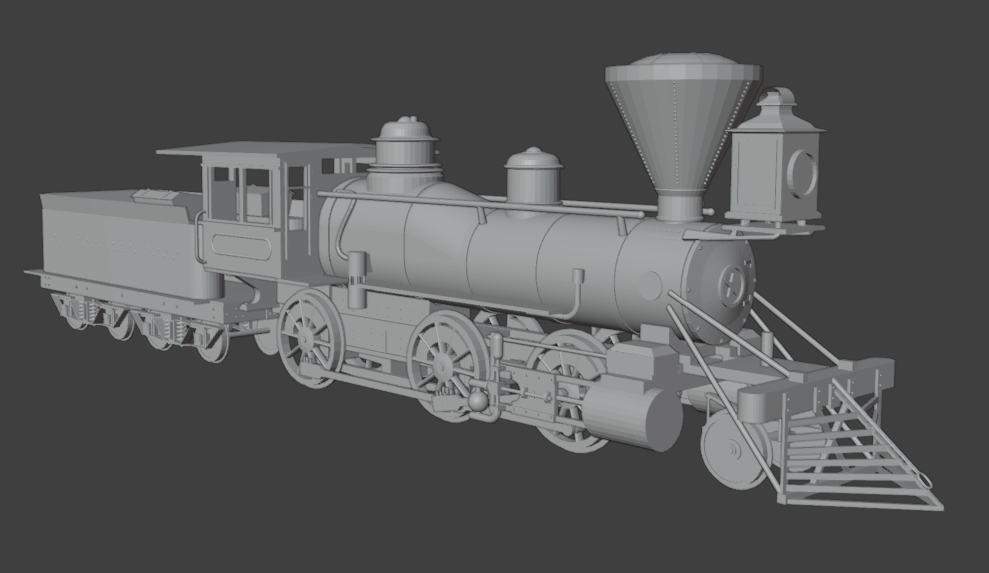
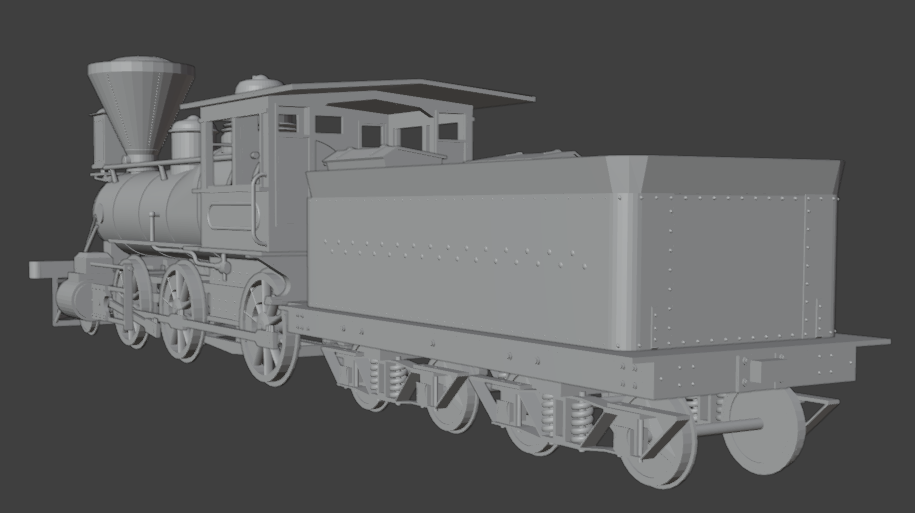
This model is intended for background display – an engine sitting inside a roundhouse, an engine on a siding or deadline, a source of engine parts laying around. It is based on the Glenbrook but is not a fully accurate representation of that specific engine.
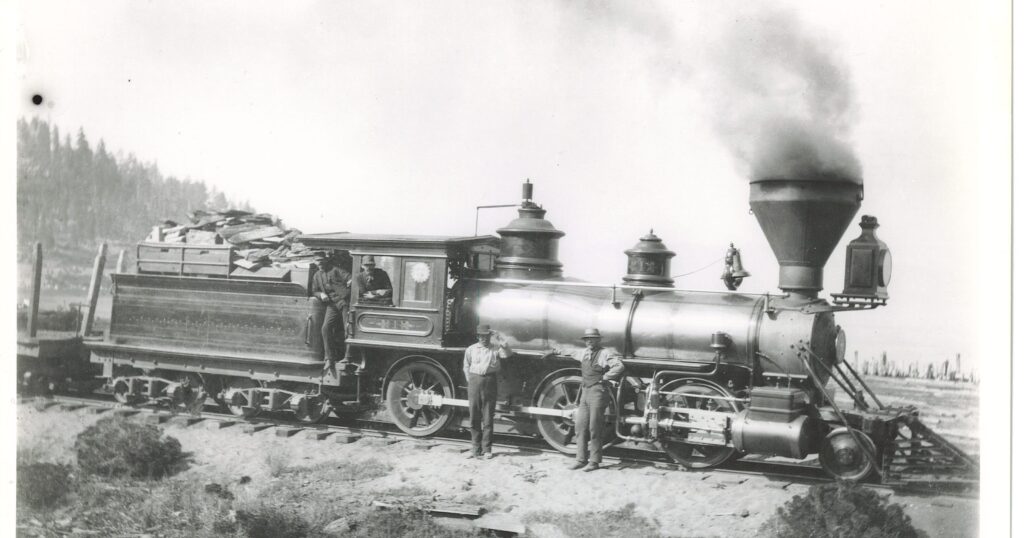
A generic background model based on the 3’ narrow gauge 1875 Baldwin engine now known as the “Glenbrook”. This engine spent most of its life operating on several of the logging lines around Lake Tahoe from 1875 to the 1920s. It started life hauling logs from Glenbrook, Nevada on the east shore to Spooner Summit where the logs would be sent down a flume to Carson City, then up to Virginia City via the V&TRR
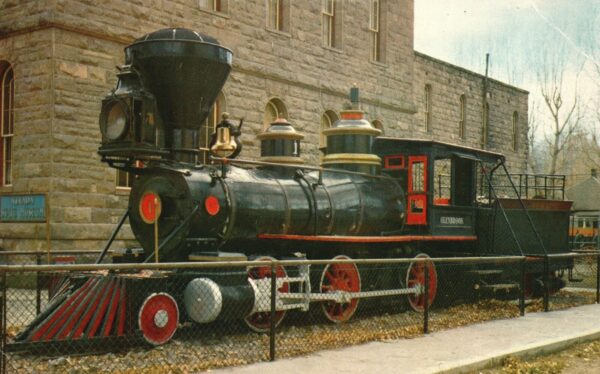
I first came across this engine years ago when it was stuffed and mounted next to the old Carson City Mint (now the Nevada State Museum)
The engine has since been restored to operating condition and now lives at the Nevada State Railroad Museum outside Carson City.
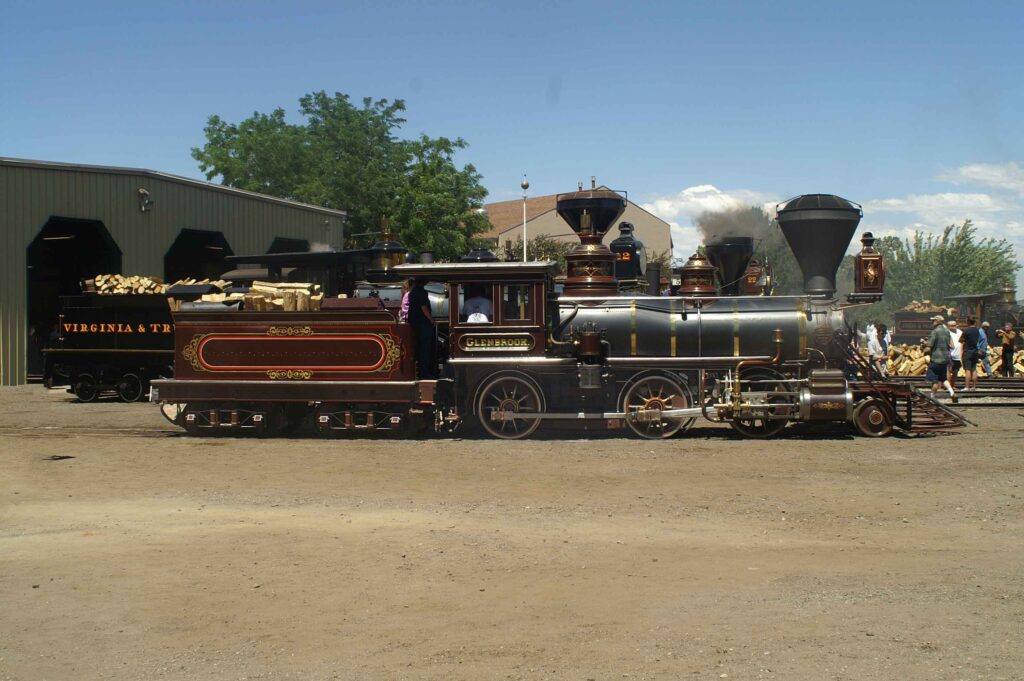
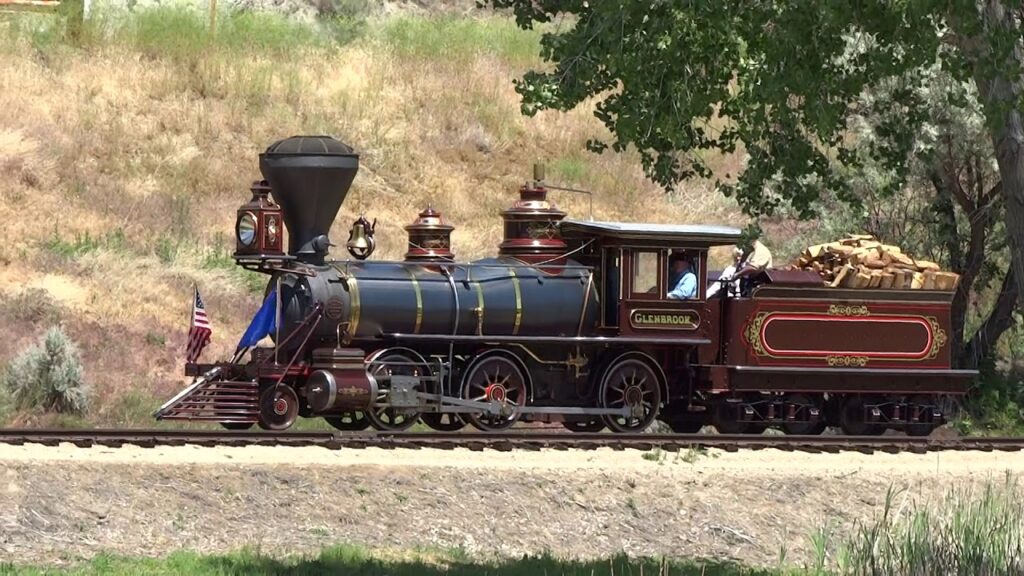
This style of engine when new in 1875 was highly decorated and probably had a gloss-finish paint job with polished wood and brass. Schemes were colorful and individual – an engine crew was assigned a specific engine and kept up the appearance. Mostly black engines didn’t come along until later … late 80s/90s. Which would also be appropriate for this engine in its later life.
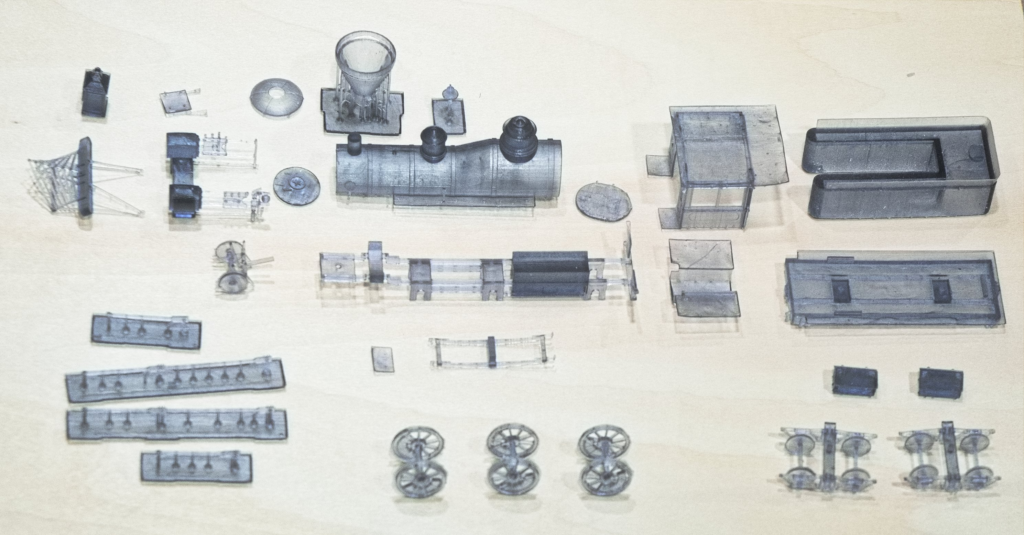
The parts are 3D-printed with a resin that accepts sanding and drilling. While the size of HO parts can require delicate handling, the base material is fairly rugged. The cured material is a transparent smoky gray. I recommend that a primer coat of paint be applied; this material seems to suck up the first coat.
This is not a typical plastic and regular plastic glue does not work on this material (including MEK). Superglue works – I use a gel version – but sometimes sets too quickly. Epoxy works well but is such a pain to work with … but necessary where strength is needed. Clear “Gorilla Glue” has become my primary choice for fastening this material to wood and other resin pieces. Don’t forget to slightly dampen the pieces which acts as a catalyst for the glue.
While it’s usually best to paint parts before assembly, it may prove better to defer painting the boiler until after Step 3: Boiler Assembly
Exploded Views
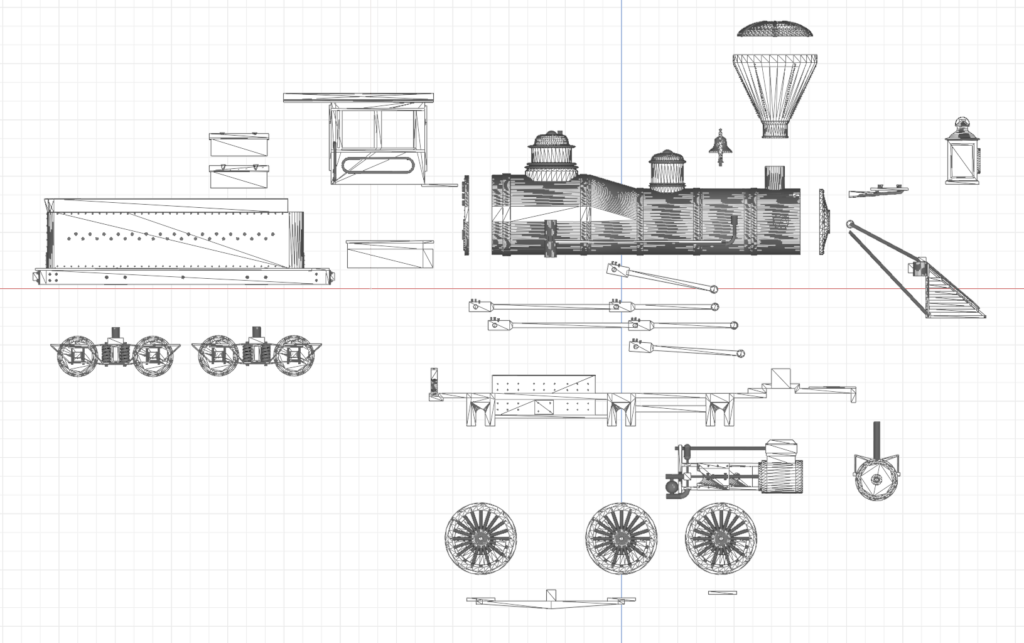
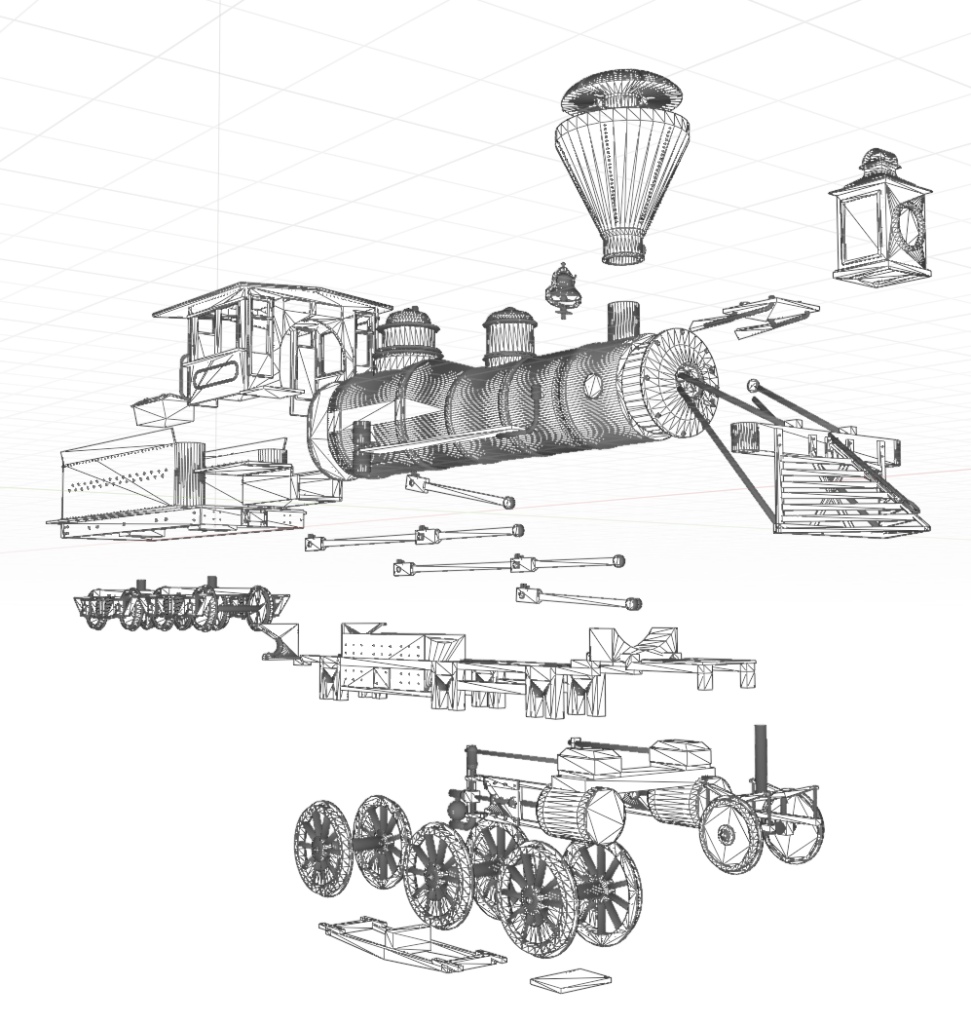
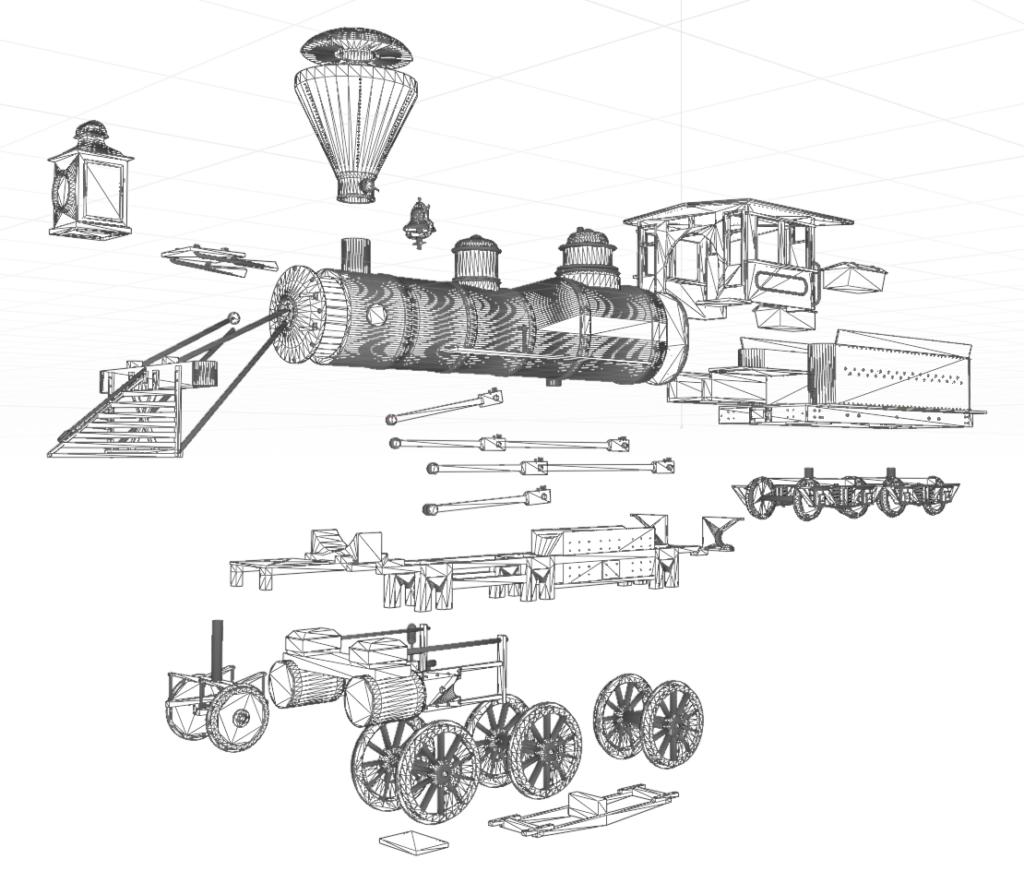
Best results are obtained by reading through the instructions before assembly begins.
Using a small file or fingernail file, make sure any manufacturing nubs on pieces are removed. Only a light touch should be needed.
Take care, some parts are very fragile.
Step 1: Cab Sub-Assembly
CAUTION: The grab rails on the cab sides are very delicate
Paint the pieces first. A pale green could be used for the interior; a “wood” color for the exterior. Possible offset trim color – brass perhaps? “Steel” or black for the grab rails. The cab parts of the running board should be the same color as the running boards on the boiler.
The underside of the cab floor could be flat black; the top side also black or a dark “wood” color.
As always, color choice is up to the modeller.
Fasten the cab floor to the cab body. Note the notches face forward. They provide clearance for the boiler.
Place the glue along the bottom edge of the cab as shown by the arrow; the cab sits on the floor.
The cab sits on top of the floor piece with the notched corners to the front, flush against and level with the front tabs on the cab.
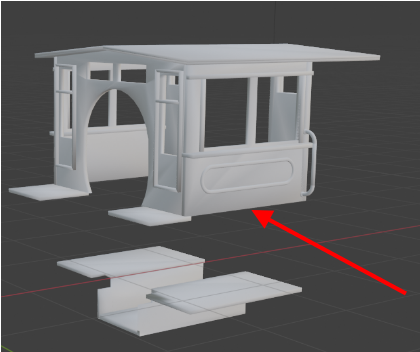
The platforms should tuck up on the left side as shown. The tabs to the sides of the floor fit onto, not into, the bottom edge of the cab.
This left side view of the cab assembly shows the floor piece outlined in ORG.
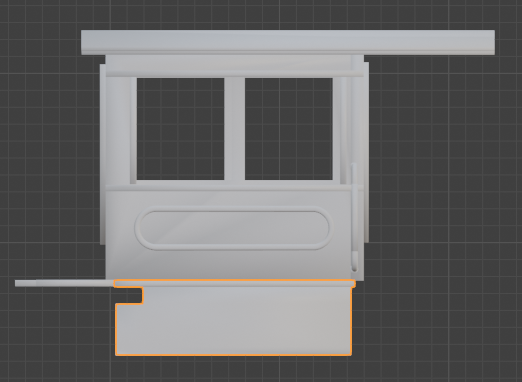
Set this assembly aside for now.
2) Frame and Drive Wheel Sub-Assembly
CAUTION: The tabs on the upper frame – especially the cab support tabs – can easily snap off
Pieces needed for this step:
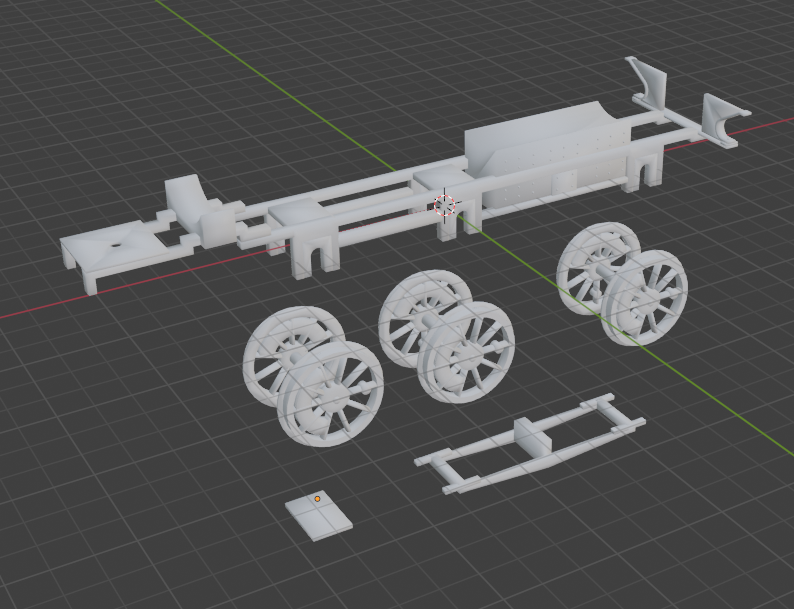
Make sure any remaining manufacturing nubs on the axles are sanded or filed smooth. They need to freely rotate until the rods are in place.
The wheel spokes might be colored. The tires should be a steel color. The rims might be white. The frame pieces could be black.
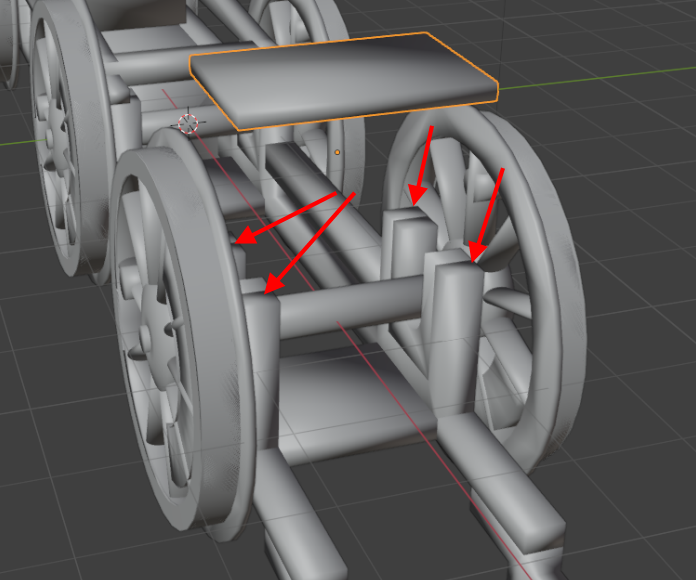
Turn the upper frame upside down. Place the rear two pair of driving wheels in place. Although these wheels will be fixed in place, they need to rotate freely until the drive rods are placed.
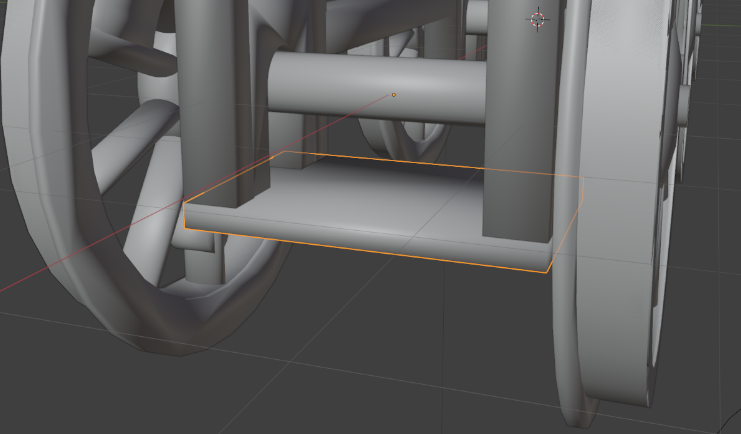
Fasten the lower frame in place. I’ve found that only applying glue to the center block gives the best results. Make sure the tabs of the lower frame overlap the notches in the upper frame. These tabs can be glued after the drive rods are placed if necessary.
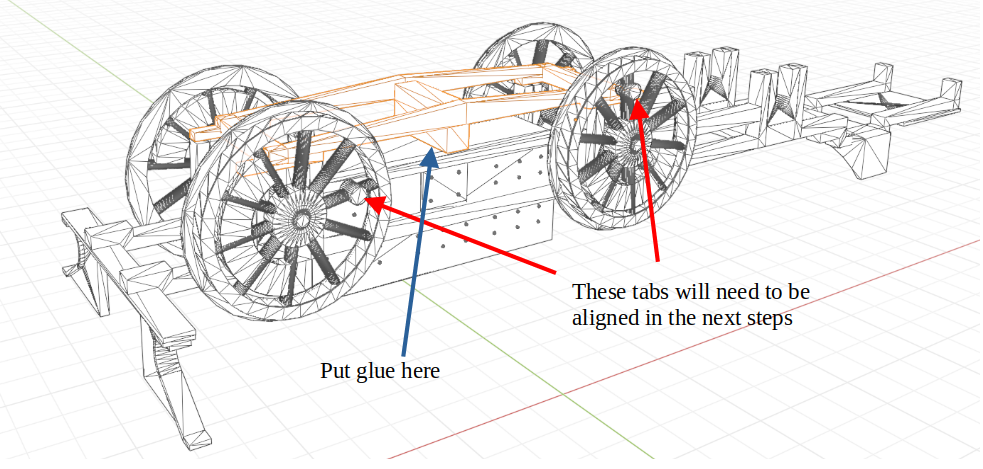
After the drive wheels and frame are in place, glue may be carefully placed on the retaining tabs such that the wheels can still rotate (until the drive rods are placed)
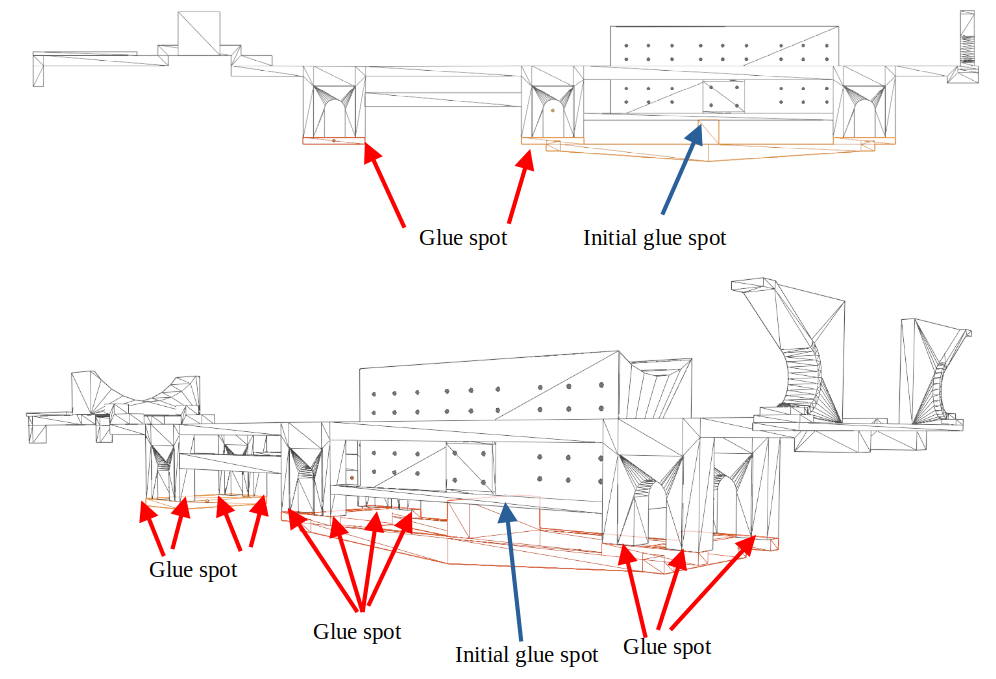
Next, the same process with the third wheel set. Place the axle into the notch and fasten the frame plate to the upper frame notches. Be careful not to glue the wheels. A touch of glue on the tabs should do it. The tip of a toothpick is useful for placing small amounts of glue.
Step 3: Boiler Sub-Assembly
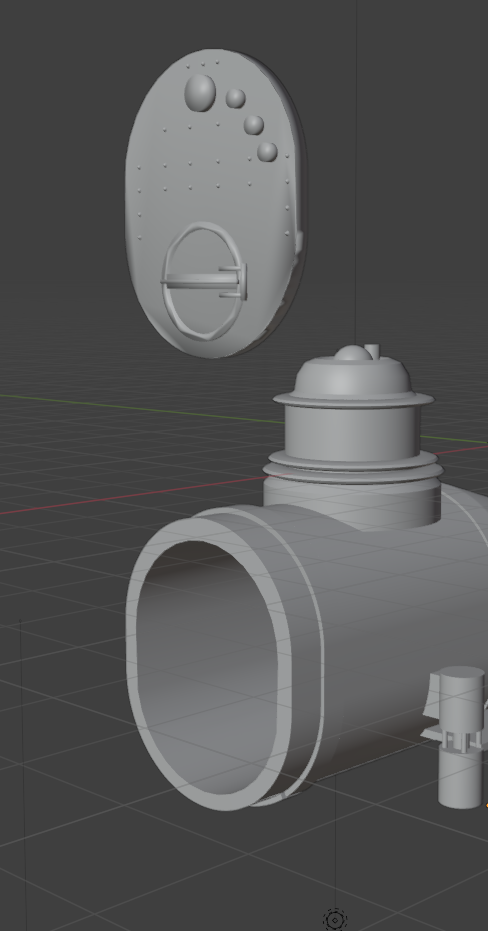
This part is simple enough – simply fasten the smokebox front and firebox face to the boiler. The smokebox face should be placed with the “hinges” to the left side of the boiler (as shown in the illustration).
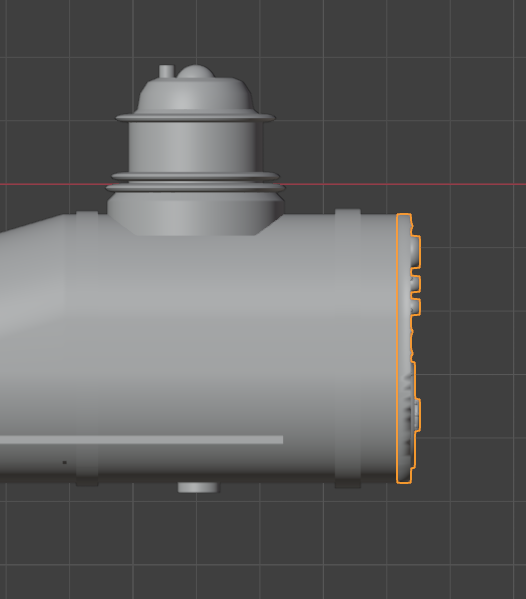
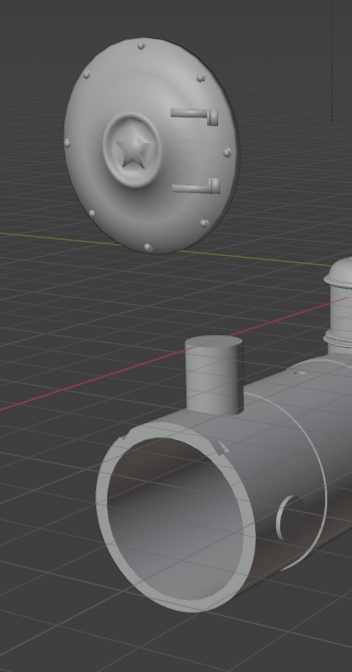
When the glue has set, now would be a good time to paint the boiler assembly. For the 1870s era, colors can be “wild”. Later paints would be more subdued.
One possible color scheme could be primarily flat or satin finish black with a dark gray front of the front-most boiler band (the smoke box). The banding could be brass colored. The steam and sand domes as well as the air pump could be “colorful” with brass trim. The running boards could be a “wood” color – weathered as desired. The dials on the firebox face could be painted white; the rest of the face is black.
Step 4: Main Assembly
Here’s where it begins to look like a steam engine under assembly rather than a bunch of parts. It’s not difficult but all three sub-assemblies need to be tweaked at the same time to assure a good 3-way fit.
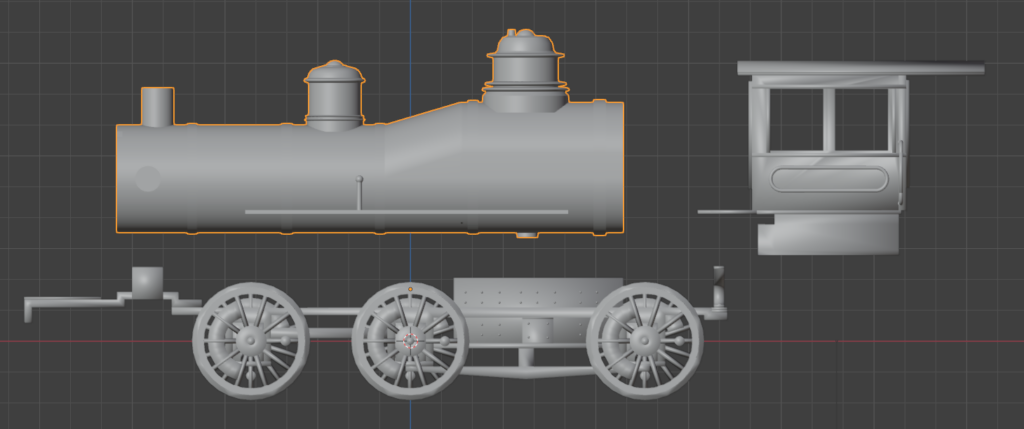
Fit the cab assembly to the boiler. The boiler will extend into the cab.
Make sure the cab is level with the boiler – the running boards on the boiler will line up with those on the cab. The left-side running board will contact the boiler running board (the right side has clearance for the air pump). The front of the cab will come close to the rear-most boiler band.
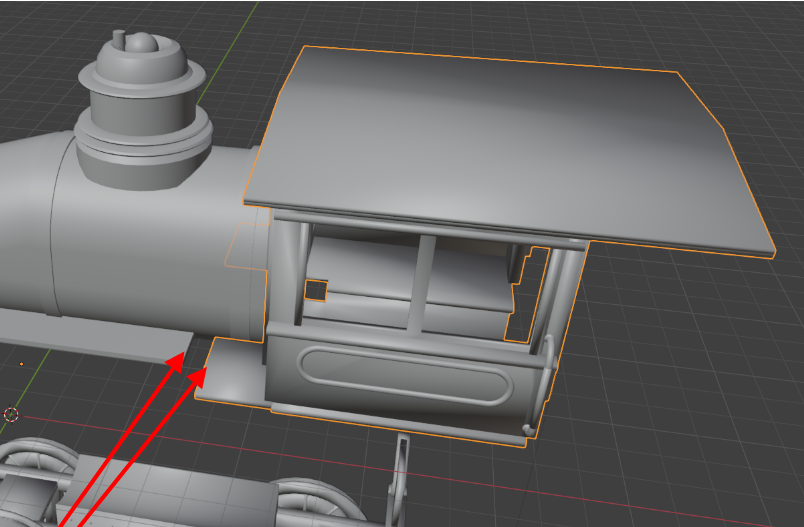
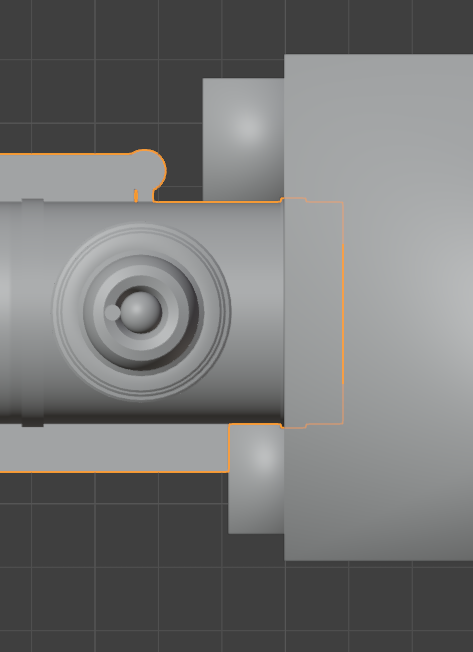
Place the boiler/cab assembly on the frame.
The cab sits on the frame with the cab floor butting up against the firebox on the frame assembly.
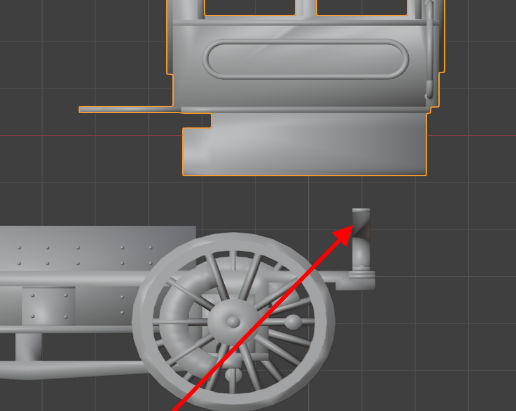
The rear tabs on the frame for cab support will touch the bottom of the cab floor. They are a bit fragile but not so much that more than normal care is needed.
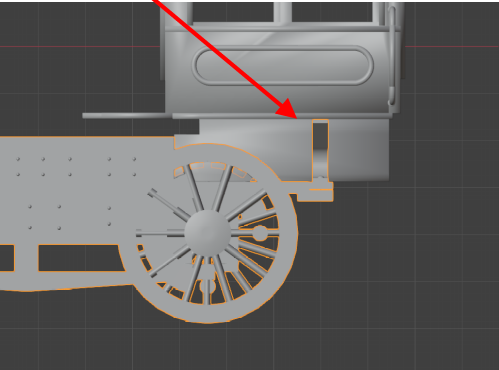
The assembly at this point should look like this
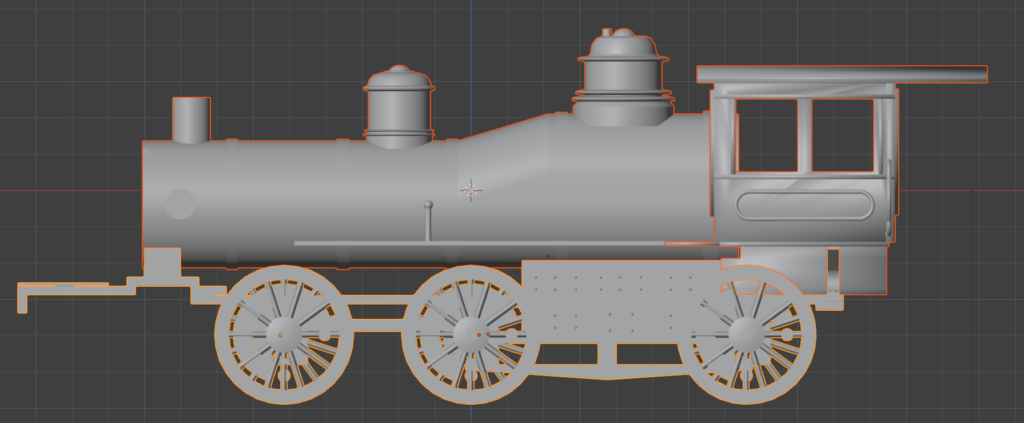
Step 5: Main Rod Assembly
This is the most difficult step.
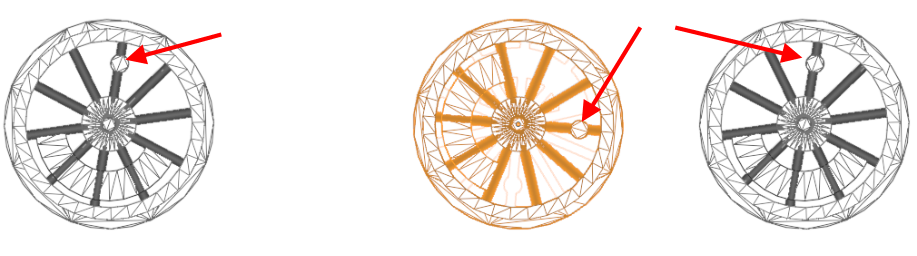
The drive wheel sets have counterweights offset by 90º per side. These need to be properly aligned. This step will fasten the wheels in place.
The end result will look something like this:
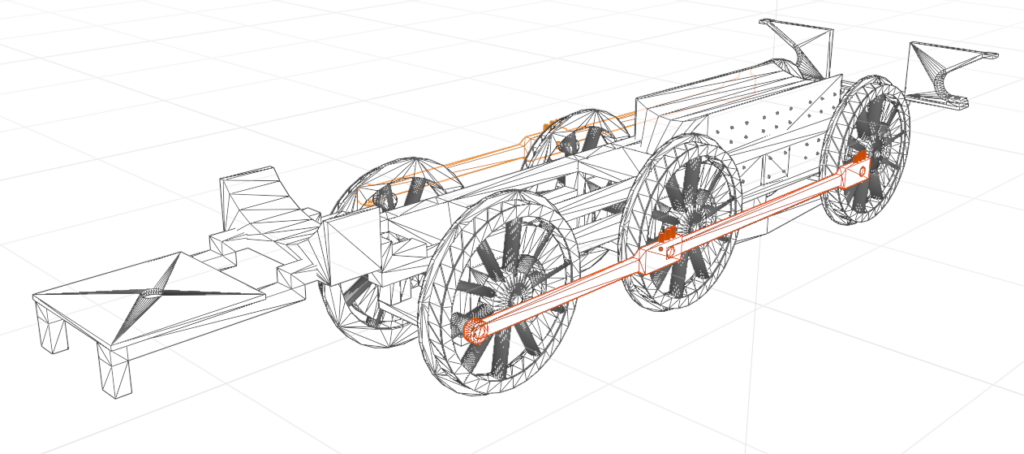
The wheels should float up and down (but not rotate) in the frame assembly after the main rods are connected. This is a static model; the wheels aren’t intended to rotate.
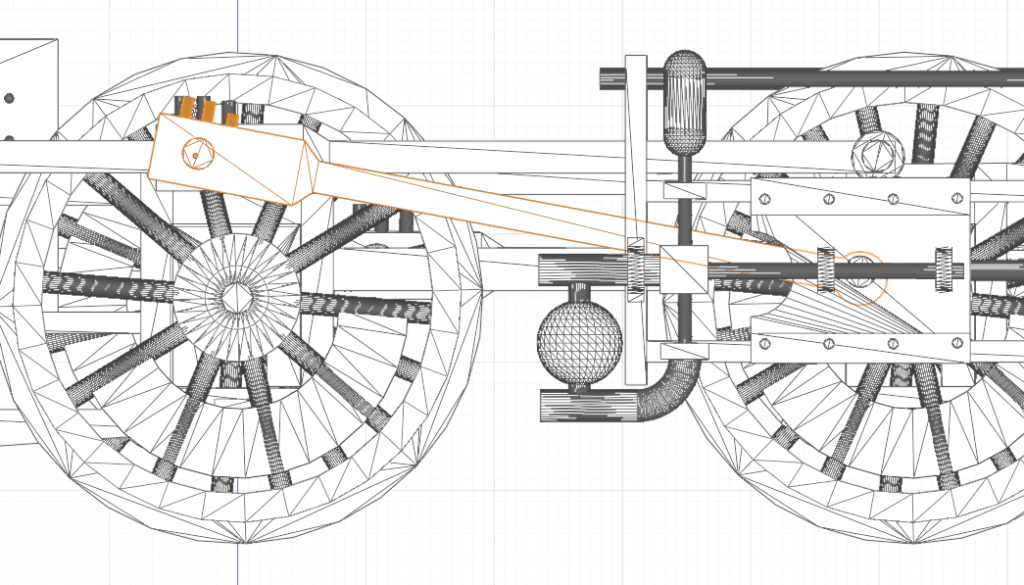
To align the main rods requires a dry fit of the steam chest and drive rods to define the proper angle for the wheels. Since the valve slides are fixed in place, the drive wheels need to be oriented such that the drive rods fit as shown: one end to the inside of the slide; the other fastened on top of the main rod as shown below. The nubs at the end of the rods should be on the up side.
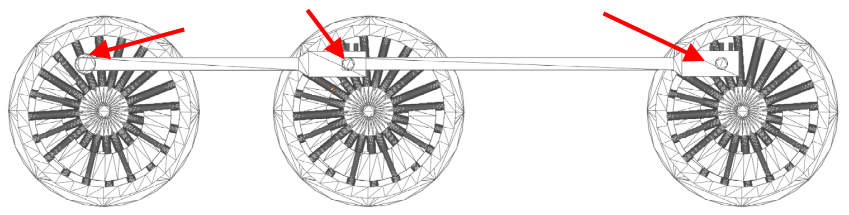
Each wheel has a nub opposite the counterweight. The main rod connects at these three locations so the nubs need to line up together. Both sides need to be confirmed.
When everything is aligned, fasten the main rods to the wheels. This is best done with the assembly set on a section of narrow gauge track to make sure the drive wheels line up. Do not glue the wheels to the frame just yet. I found it easiest to fasten the rod to the #2 driver first. The rod should be parallel to the frame and boiler.
Step 6: Steam Chest, valve guides
The steam chest and valves are one piece. It would be best to have these pieces painted before this assembly. The steam chest cylinders could be colored, perhaps with brass trim work. The guides and rods would be greased steel. with brass pipes and fittings.
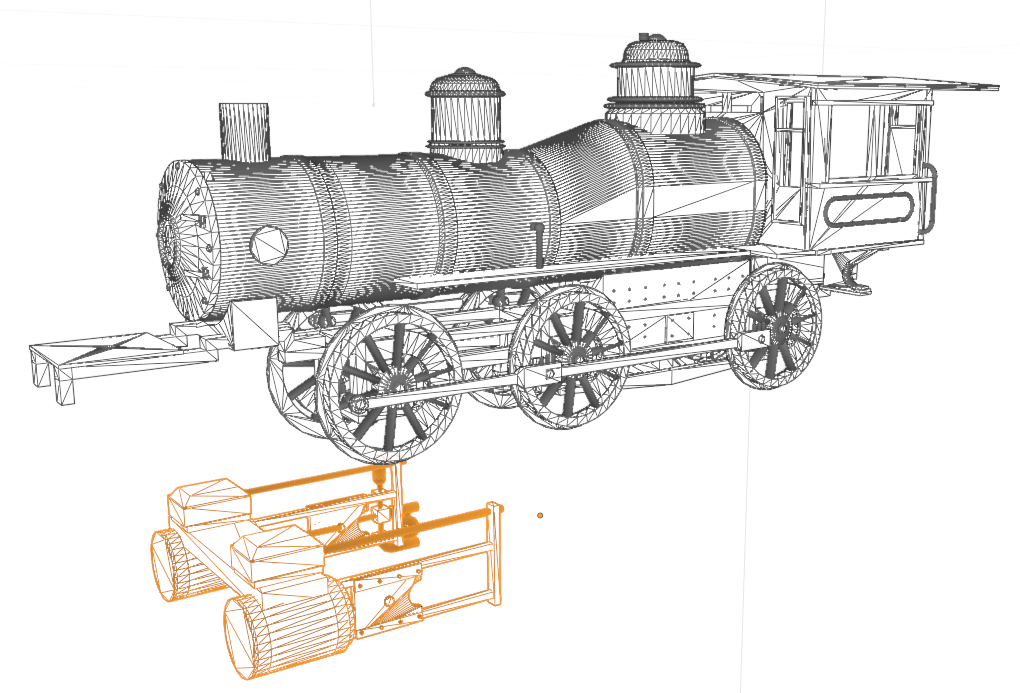
There is a wide slot in the frame for the steam chest. This is where glue should be applied. Make sure the guides and rails are parallel to the frame
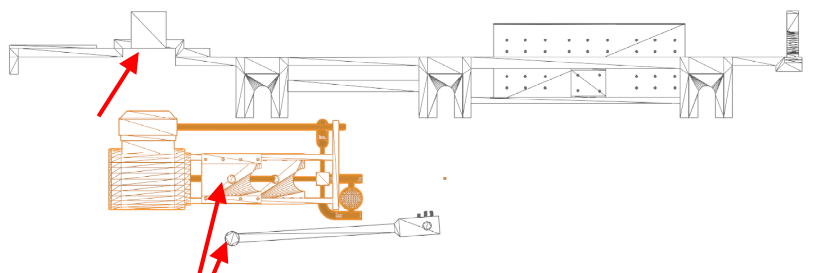
Note the positioning of the drive rod. Since the rod is applied to the inside of the valve guide, there is a little slop for positioning. Make sure the valve slides are parallel to the frame.
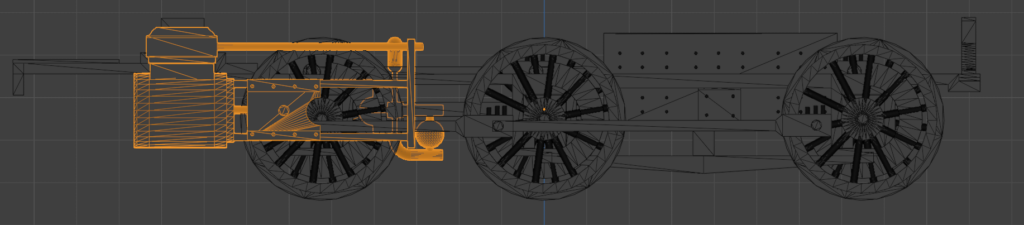
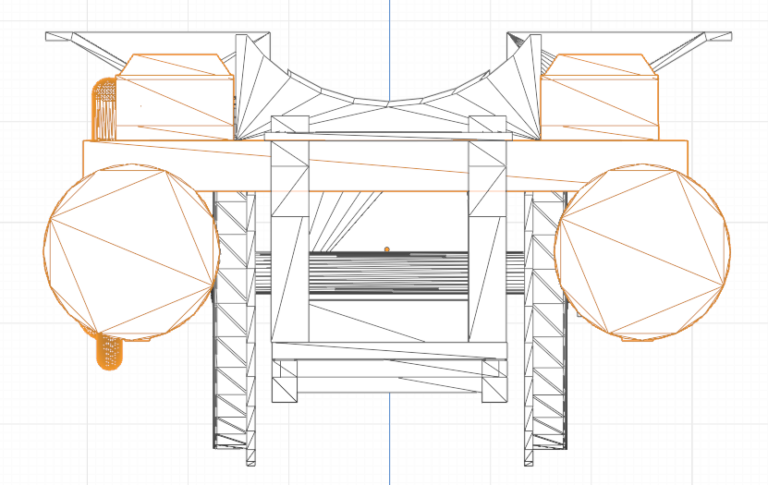
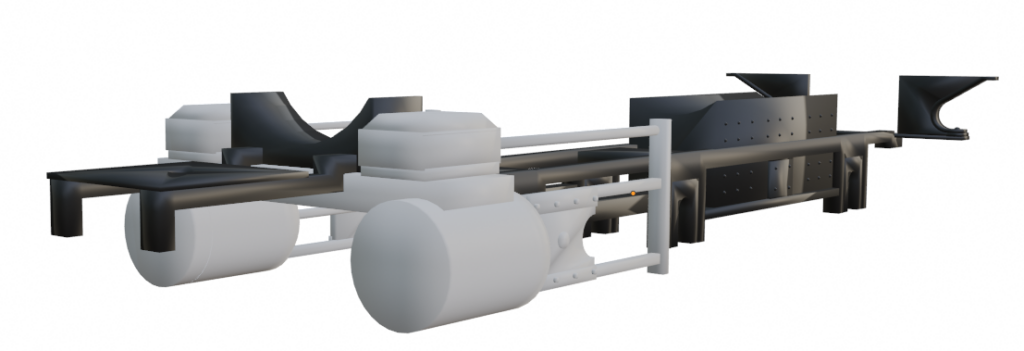
Once the steam chest is glued in place, the drive rods can be fastened in place. One end glues to the steam chest assembly – inside the valve slide; the other attaches to the outside of the main rod of the center drive wheel. Note the two sides are aligned 90 from each other.
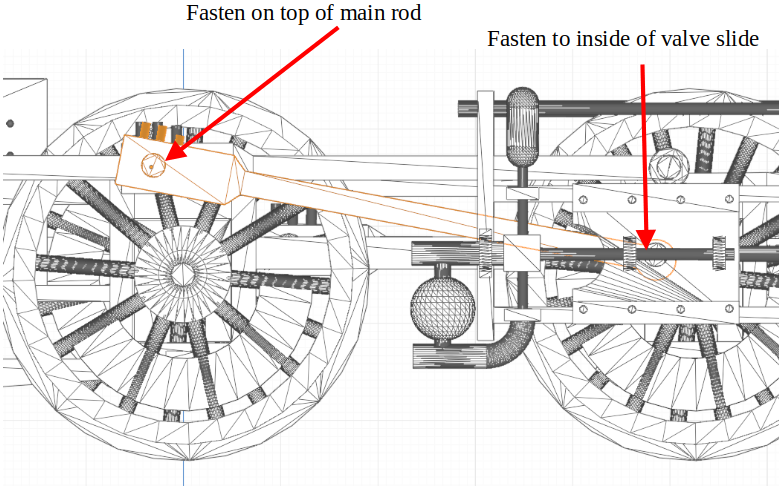
Note that minor adjustments can be made if drive rod is placed not exactly in the center of the slide
From underneath, the drive rods are arranged as so:
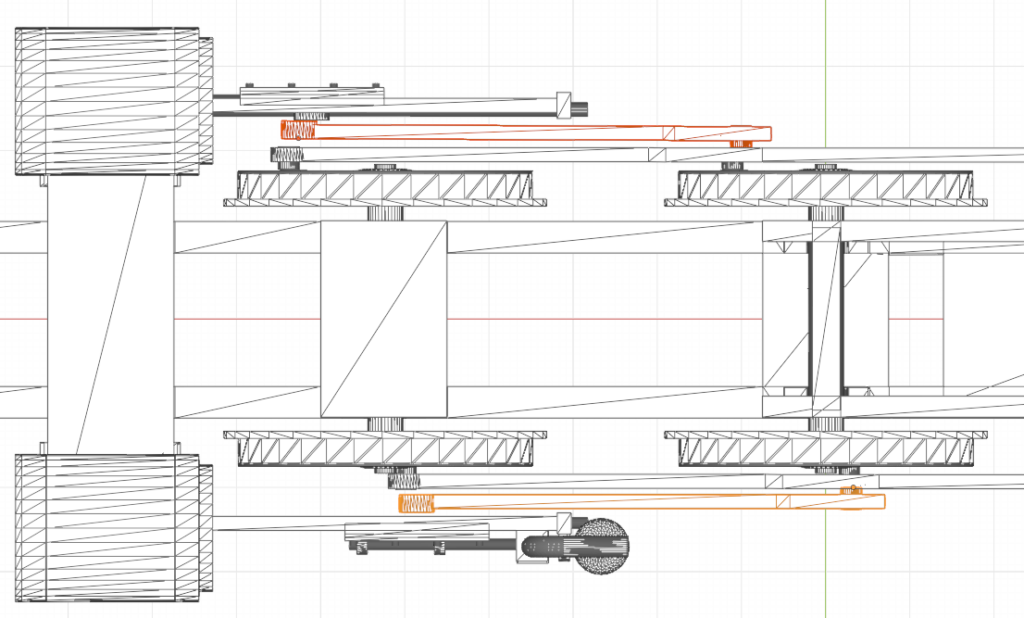
While set on a piece of track to assure all is level, place a drop of glue on the drive wheel axles. All three should be glued at the same time.
Status
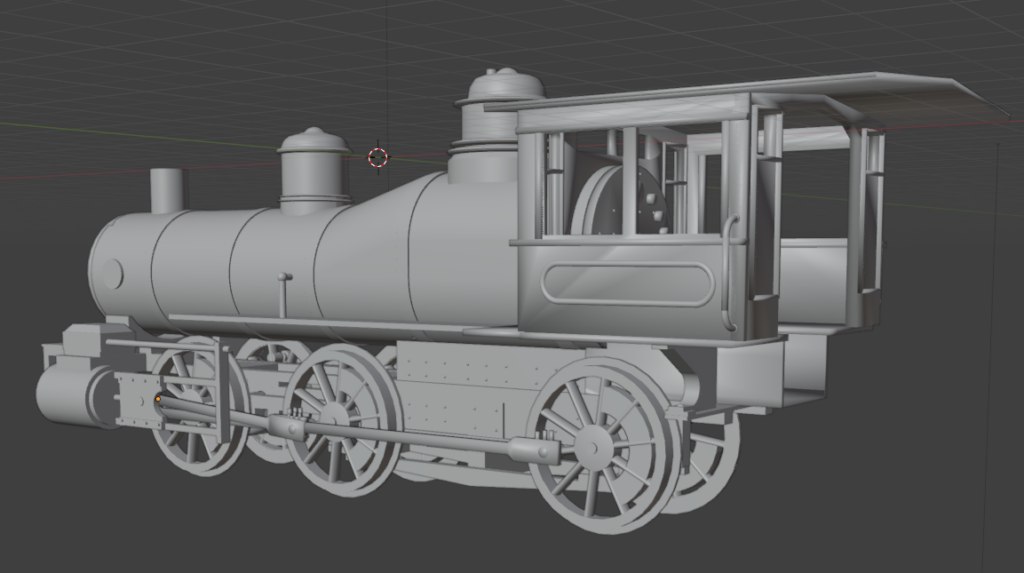
The partially assembled engine should now look something like this:
Step 7: Pilot Wheel
CAUTION: The frame on the pilot wheel assembly is very delicate
The pilot wheel has a pin that fits through the hole in the front of the upper frame. This pin extends above the frame on purpose.
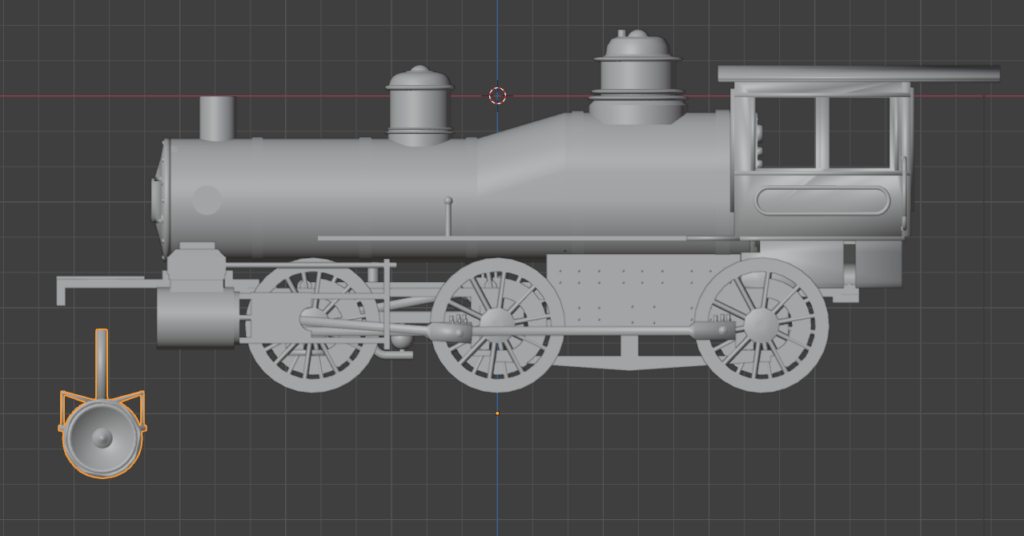
This pin sticks up on the prototype as well … it acts as a shock absorber.
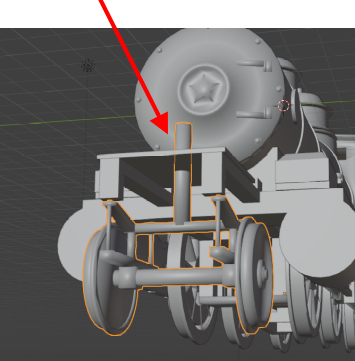
With the engine on a section of track (to assure the wheels are all level), put the pilot wheel assembly in place and put a small bit of glue blob on the upper side of the frame to represent the fittings on the prototype.
Step 8: Pilot (“Cowcatcher”)
CAUTION: The support rods are very delicate
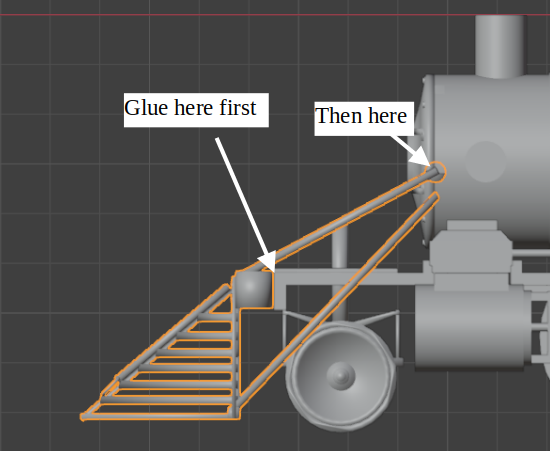
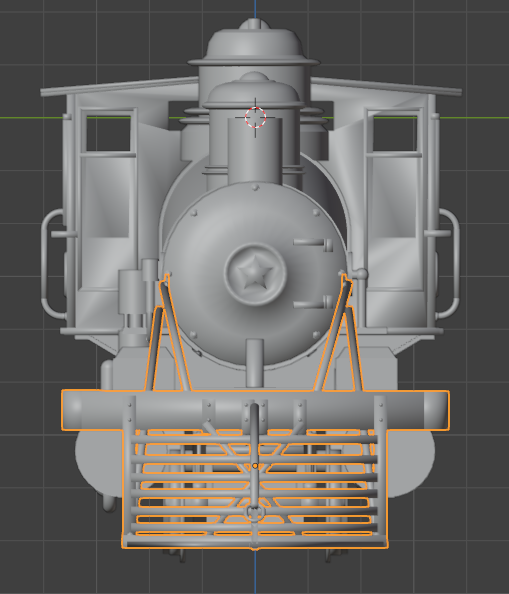
These older engines had large prominent “cow-catchers” on the front. With the engine on the track section, place a scale 2” board between the track and pilot and glue the pilot beam to the front of the frame. The support rods are glued to the boiler … I found it convenient to wait until the glue on the beam had set first. Make sure the the frame is level along the rail.
Step 9: Bell
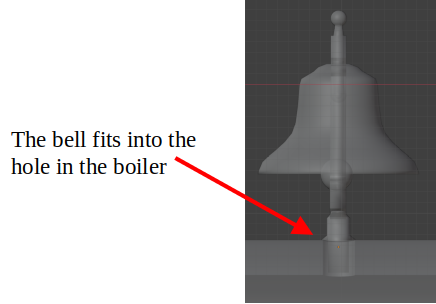
The bell is extremely delicate but there should be no problems if handled carefully. The bell itself would be brass; the frame would probably be the same color as the boiler.
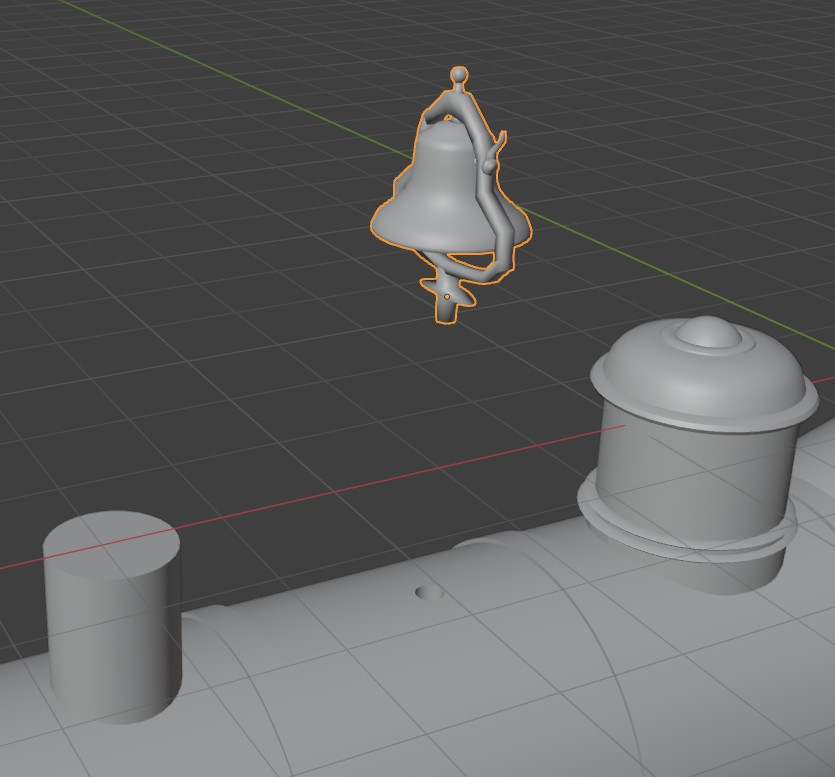
The bell fits it a hole on top of the boiler; it might be a loose fit. Make sure the bell frame is even across the boiler
Step 10 – Stack
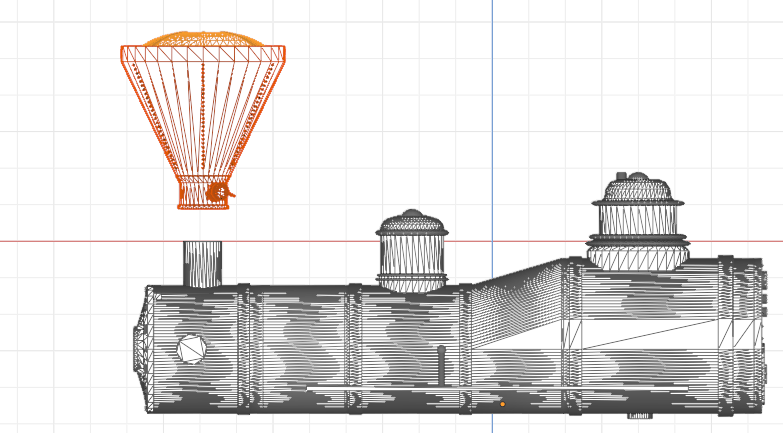
Attach the ash screen to the stack; it should be a press-fit (but should be glued in place). This screen would be ash colored; I used adamantine black on this piece; a very dark grey would be suitable.
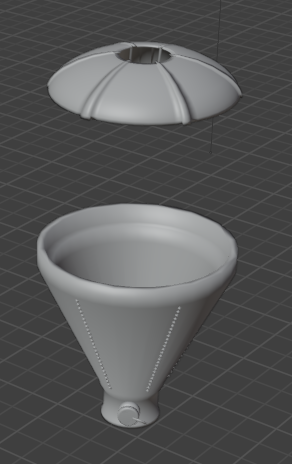
The stack will fit nicely over the nub on the boiler. Make sure the stack stands straight. Glue in place.
Step 11: Lamp
CAUTION: The lamp bracket is very delicate
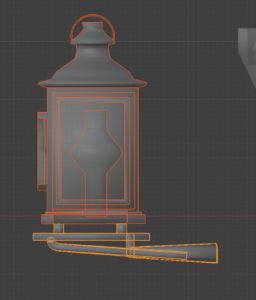
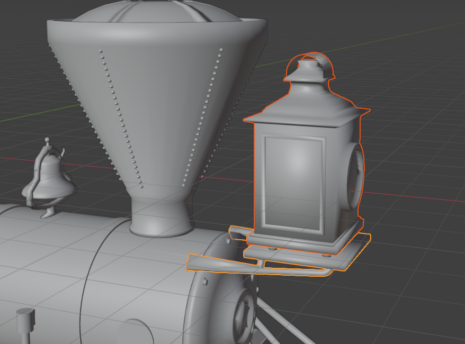
The lamp holder is very fragile. There are small notches on the boiler to indicate where the bracket should be placed.
The bracket needs to be supported to maintain its level while the glue sets
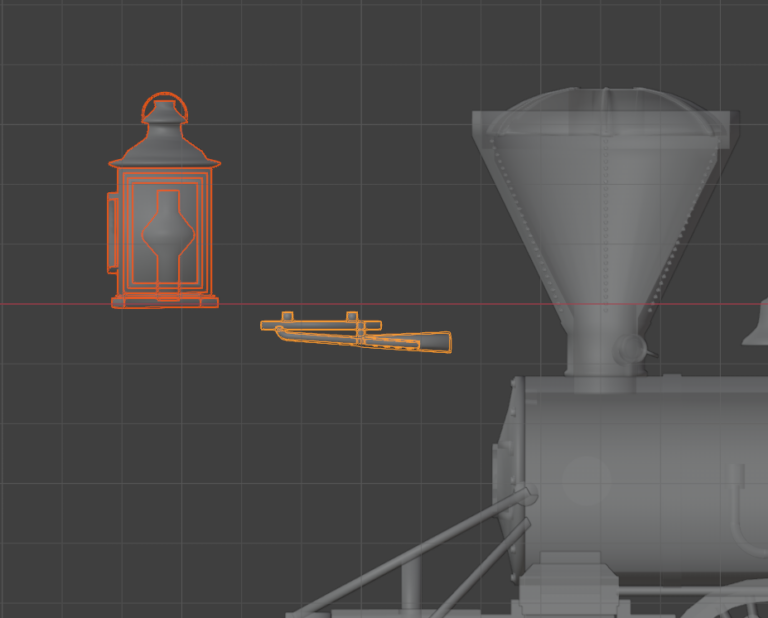
Fasten the lamp to the lamp frame. This may be a bit touchy getting the lamp to sit on the 4 nubs long enough for the glue to set. Assure the lamp is level and points forward while the glue sets. This is a difficult placement so care is necessary. I used gel superglue here. Sets fast but a few minutes are available for tweaking the placement.
Step 12: Piping
CAUTION: The pipes are very delicate
There are three pipes to be added as the last steps:
A hose from the air pump to the cab. One end of the hose is fastened to the center of the upper half of the airpump
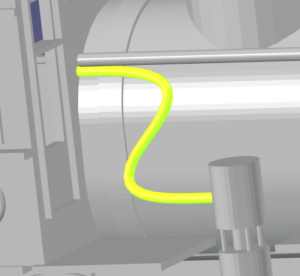
On the left side, there are two pieces to add. They represent the same pipe:
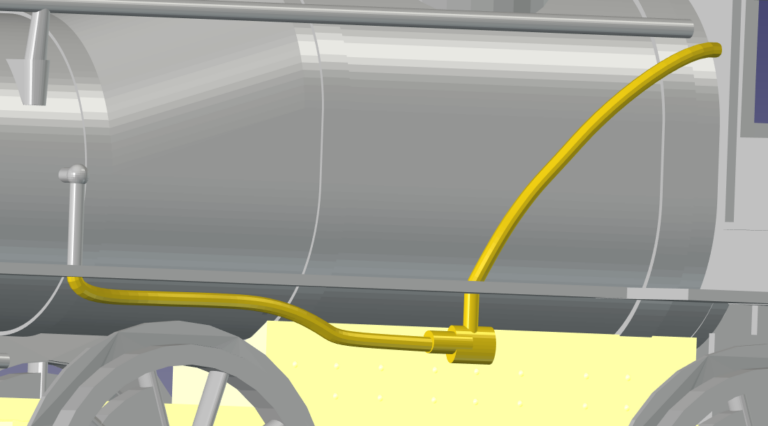
The upper:
The underside pipe is placed under the running board on the left side of the boiler. The front of the pipe lines up with the cylinder on the boiler. The pipe rides up against the running board and boiler with the rear end up against the running board far enough from the boiler that the upper pipe will appear to be the same pipe. The upper pipe can rest against the boiler with the rear end “entering” the cab.
Step 13: Handrails
Finally, two hand rails run along the boiler as shown. The stand-offs on the rails fit the holders on the boiler. There is a slight tilt outward on both.
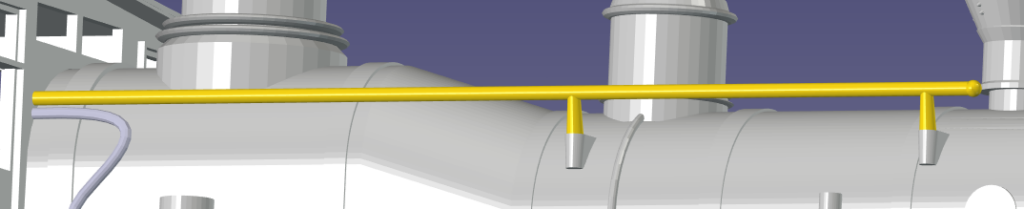
This completes the engine assembly.
These last fittings on the boiler are delicate. Handle the engine with care.
TENDER
Painting. Depends on the color scheme. If all one color – perhaps black – wait to paint until the pieces are assembled. If the tank is to be colored differently from the frame, paint now.
Assembly of the tender is straight-forward.
Glue the tender tank to the tender frame. The tabs should provide a comfortable fit but make sure the tank is aligned with the frame and forward against the rear tab.
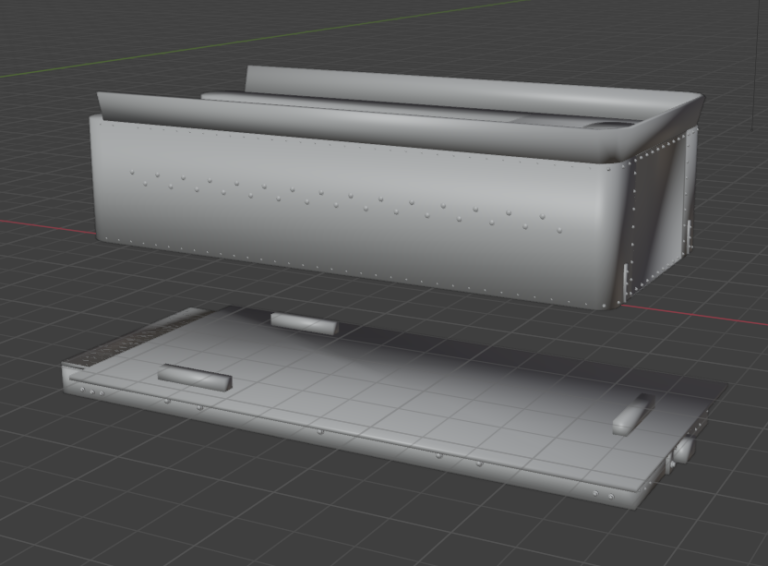
when assembled:
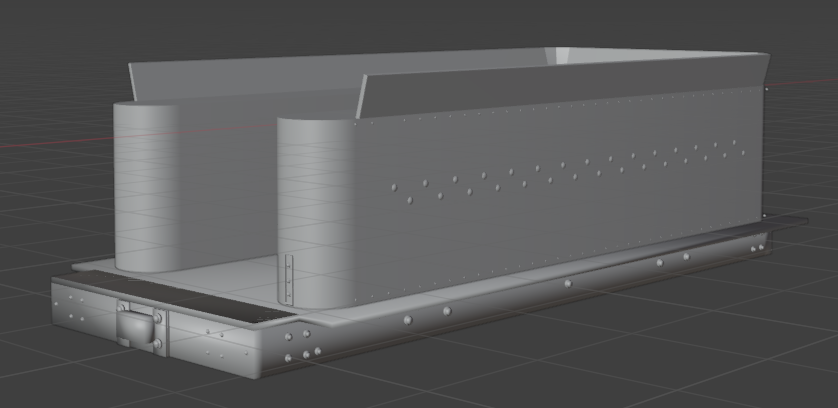
There are no couplers. What type? link & pin (as the original), knuckle, ??? User’s choice.
It may need none. Are they needed for the scene intended?
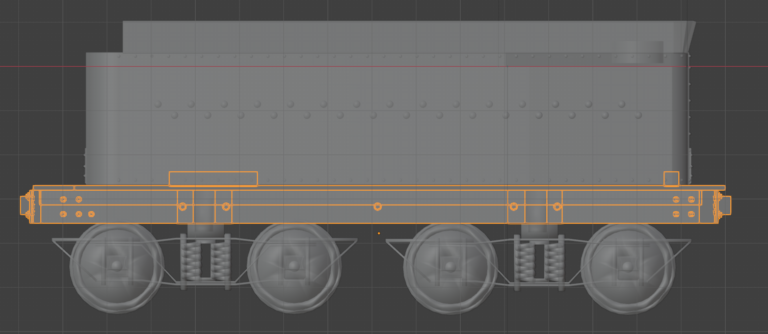
Next, align the tender trucks with the holes in the frame and fasten. The wheels are not intended to rotate. This assembly should be set on a flat surface – a piece of track perhaps – while the glue sets to assure the wheels line up with the track.
Before:
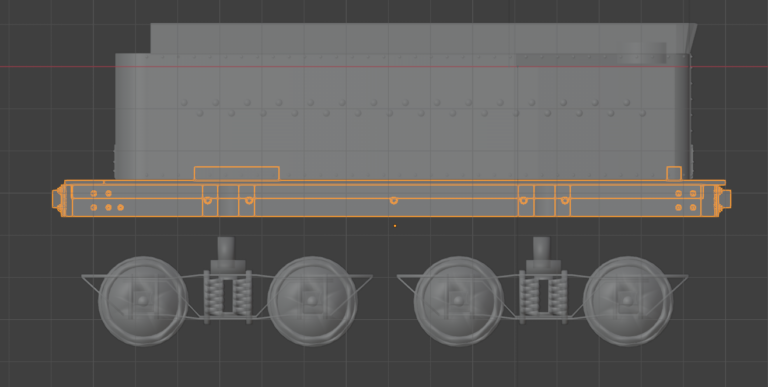
After:
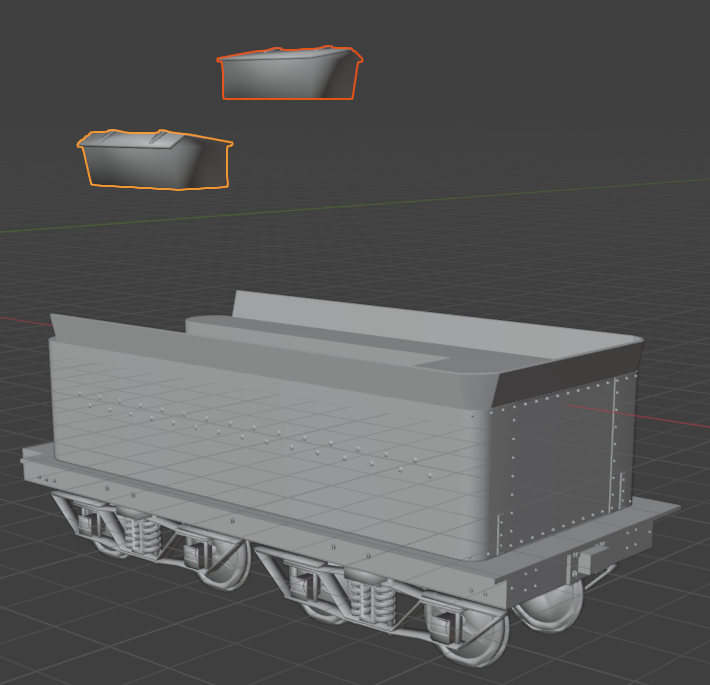
The procedure for the toolboxes is simple enough. Paint them wood colored; paint the hinges if desired.
Place “somewhere” near the front of the tank, even with each other.
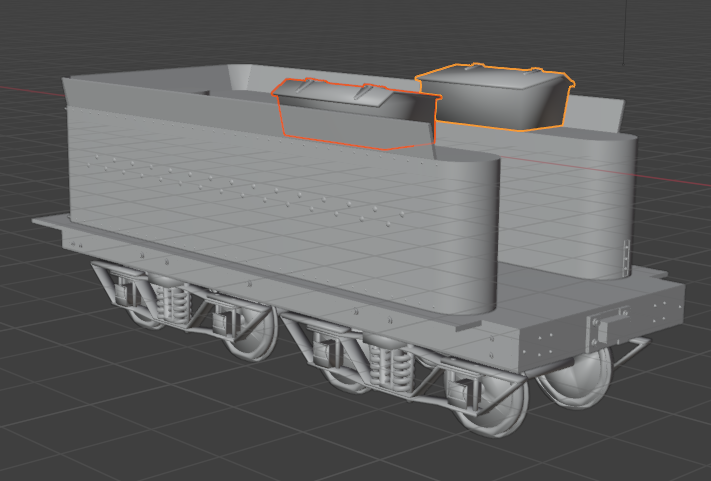
The tender does not physically connect to the engine. The model is now complete.
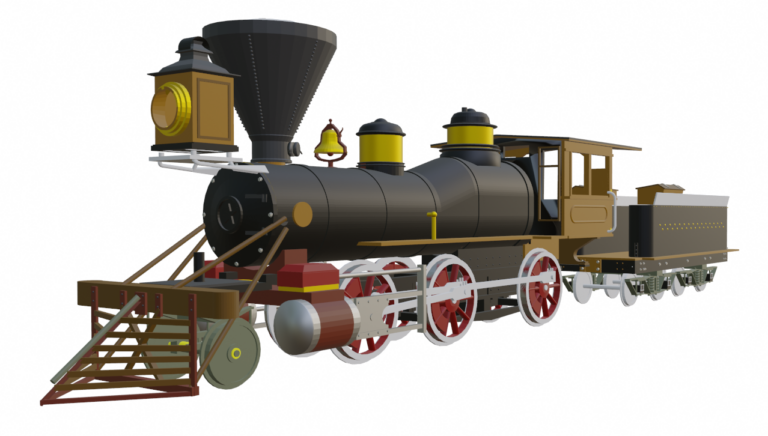
Renderings: